
With so many high-speed internet options available today, choosing the right connection for your home can feel overwhelming. Between fiber internet, 5G home internet, and traditional coaxial cable, you may be wondering which technology delivers the best combination of speed, reliability, and performance.
While each type of internet can keep you connected, they don't all work the same way. Understanding the differences can help you choose an internet connection that keeps up with your household's needs.
Let's explore how fiber, 5G, and cable internet compare and why fiber is an excellent choice for today's connected home.
Understanding Your Home Internet Options
Before comparing speeds and performance, it's important to understand how each type of internet connection works.
What is Fiber Internet?
Fiber internet uses fiber-optic cables made of thin strands of glass to transmit information through pulses of light.
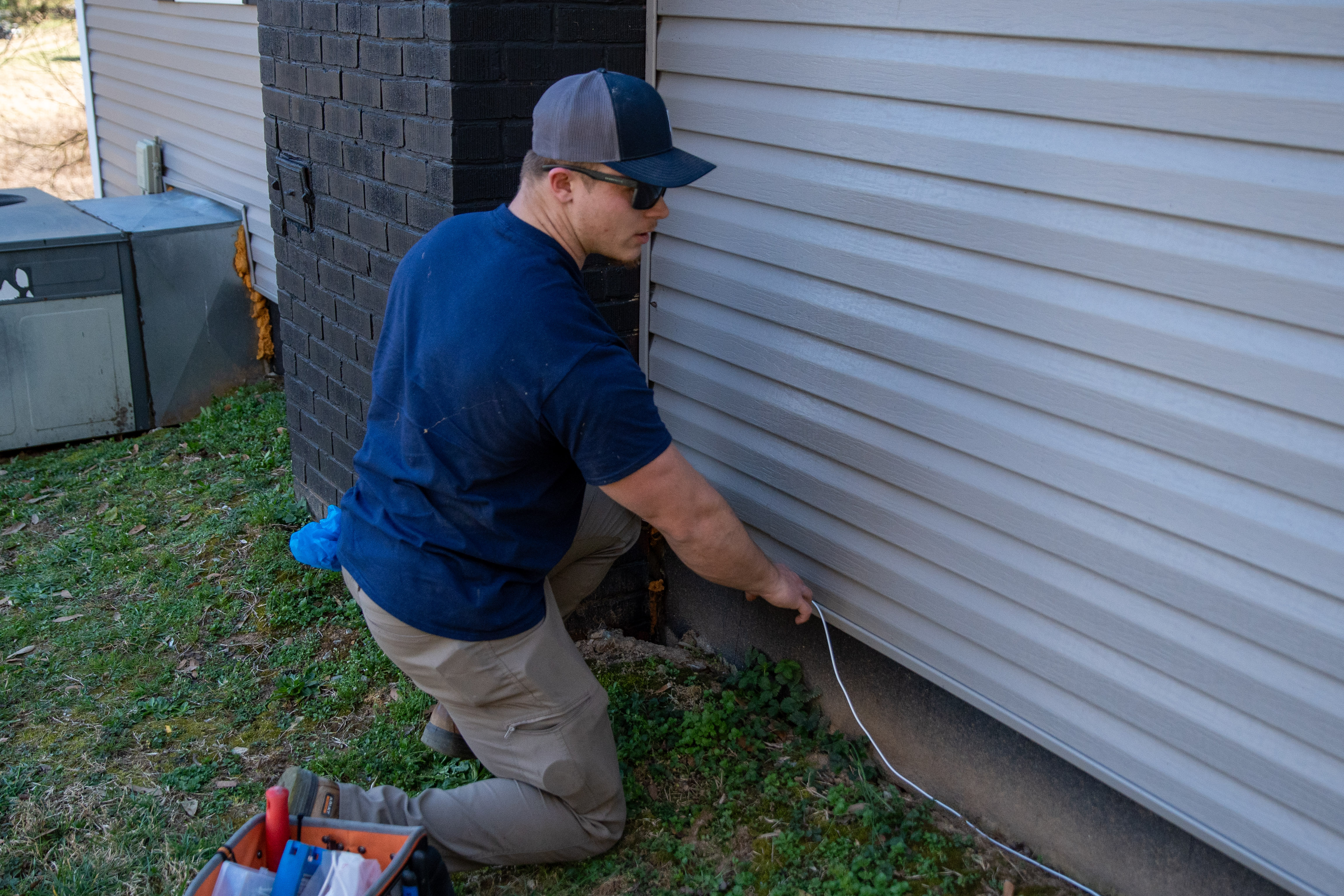
Unlike traditional copper cables, fiber-optic technology is designed to carry large amounts of data quickly and efficiently. With fiber-to-the-home service, the fiber connection extends directly to your home, providing a high-capacity connection for your internet needs.
One of fiber's biggest advantages is its ability to deliver symmetrical upload and download speeds. This means you can send information just as quickly as you receive it, making activities like video conferencing, uploading large files, and working from home easier.
What Is 5G Home Internet?
5G home internet uses cellular wireless technology to deliver internet service to your home through nearby cell towers.
Instead of relying on a physical cable running to your house, 5G home internet receives a wireless signal through a compatible gateway or router.
It's important to understand that 5G home internet and WiFi are not the same thing. 5G delivers internet service to your home, while WiFi distributes that connection wirelessly to devices inside your home. While 5G home internet can provide good speeds, performance may vary depending on factors such as distance from cellular towers, signal strength, network congestion, and surrounding obstacles.
What Is Coaxial Cable Internet?
Cable internet uses coaxial cables, traditionally associated with cable television, to deliver internet service to homes and businesses. Most cable internet providers use a combination of fiber-optic infrastructure and coaxial cables to connect customers to their networks. Cable internet can deliver fast download speeds, including gigabit speeds in some areas. However, many cable internet plans offer significantly slower upload speeds than download speeds.
This difference can become noticeable when uploading large files, using cloud-based applications, or participating in video conferences.
Fiber vs. 5G vs. Cable Internet: How Do They Compare?
While all three technologies can provide high-speed internet, there are important differences in how they deliver service and perform under different conditions. Actual speeds and performance depend on your provider, plan, equipment, and network conditions.
| Feature | Fiber Internet | 5G Home Internet | Coaxial Cable Internet |
|
Connection Type |
Fiber-optic cables | wireless cellular signal | Coaxial cable network |
| Download Speeds | Supports gigabit and multi-gigabit speeds | Varies by signal and network conditions | Can support gigabit speeds |
| Upload Speeds | Symmetrical speeds | Typically slower than downloads | Typically slower than downloads |
| Latency | Always low | Can vary with wireless conditions | Often low, but varies |
| Reliability | Wired connections directly to the premises | affected by signal strength and congestion | Wired connection; performance varies by network |
| Multiple Devices | Well suited for demanding households | Depends on available bandwidth | Often well suited for demanding households |
What Makes KUB Fiber Different?
Choosing fiber internet is an important first step, but choosing the right provider matters just as much. KUB Fiber combines the benefits of fiber-optic technology with straightforward pricing, dependable service, and local customer support.
With KUB Fiber, you get:
1,000 Mbps symmetrical speeds: Fast uploads and downloads designed to keep up with your household.
Consistent pricing: $65 per month for residential gigabit internet, without temporary promotional rates.
No contracts: Enjoy the flexibility of internet service without a long-term contract.
No data caps or throttling: Stream, work, and game without worrying about data usage limits or intentional speed reductions.
Free installation: Get connected without an installation charge.
Local support: Access customer service representatives and technicians who understand the community they serve.
As a locally operated, not-for-profit utility, KUB Fiber is committed to providing better internet for Knoxville and the surrounding communities we serve.
Explore KUB Fiber's internet plans and discover how symmetrical gigabit speeds can make a difference in your home.