Conserve Water & Protect Our Waterways
From what you clean your house or your car with to what you flush down your toilet, there are various ways you can play a role in protecting our area's tap water, waterways, and conserve water.
Protect Our Tap Water
KUB needs your help to make sure the public water supply isn't accidentally contaminated through cross-connection. Help prevent accidental cross contamination through pools, spas, irrigation systems, etc.
Protect Our Waterways
Below are some of the ways you can help protect the Tennessee River and other waterways.
- Can your grease. Do not dispose of cooking oils and grease down a drain. Always can it for disposal in the trash.
- Never flush medication; take it to 800 Howard Baker Jr. Ave.
- Know what you can flush. Many items marketed as "flushable" should actually be disposed of in the trash.
- Choose cleaning products carefully. Find house and automotive cleaning products that meet the EPA's Safer Choice Standard.
- Repair vehicles that are leaking fluids and clean up spills.
- Dispose of hazardous materials properly, including automotive and cleaning products, pesticides, chemicals, paint, etc. properly. City of Knoxville and Knox Co. residents can dispose of these products and more at 1033 Elm St.
- Choose native plants that require less fertilizer and pesitcides to maintain.
Conserve Water
From the size of your laundry load to where you place your lawn sprinkers, here are some ways you can save water.
-
Wash full loads of laundry. Make sure the washer is full before you start it.
- Take showers instead of baths.
- Repair even the smallest leak. A dripping faucet can waste up to 200 gallons of water in one month. Find a drip calculator to see how much water your leak is wasting.
- Water in morning hours, and don't water too often. If your grass springs back when you step on it, it doesn't need water.
- Don't water sidewalks. Make sure sprinklers are placed to only water plants, not sidewalks.
- Find more water and wastewater savings tips.
Reducing PFAS
Poly- and Perfluoroalkyl Substances (PFAS) are manmade chemicals that are resistant to breaking down in the environment and some may have adverse health effects.
KUB has partnered with TDEC and participated in a source water monitoring study. KUB is pleased to share there were no detections of PFAS compounds at levels of concern.
To learn more about the many sources of PFAS and how to reduce the risk of exposure, please visit www.epa.gov/pfas.
PFAS and Lithium Monitoring
The EPA periodically requires utilities to monitor for some specific unregulated contaminants that do not have established drinking water standards.
KUB monitored for 30 chemical contaminants including 29 PFAS compounds, as well as Lithium. Only one reportable PFAS compound was detected during 2024 and was well below the EPA proposed Health Advisory level.
Health advisories are non-regulatory and reflect the EPA’s assessment of the best available peer-reviewed science at levels where adverse health effects are not anticipated to occur.
The purpose of unregulated contaminant monitoring is to assist the EPA in determining the occurrence of unregulated contaminants in drinking water and whether future regulation is warranted.
KUB's Water Quality
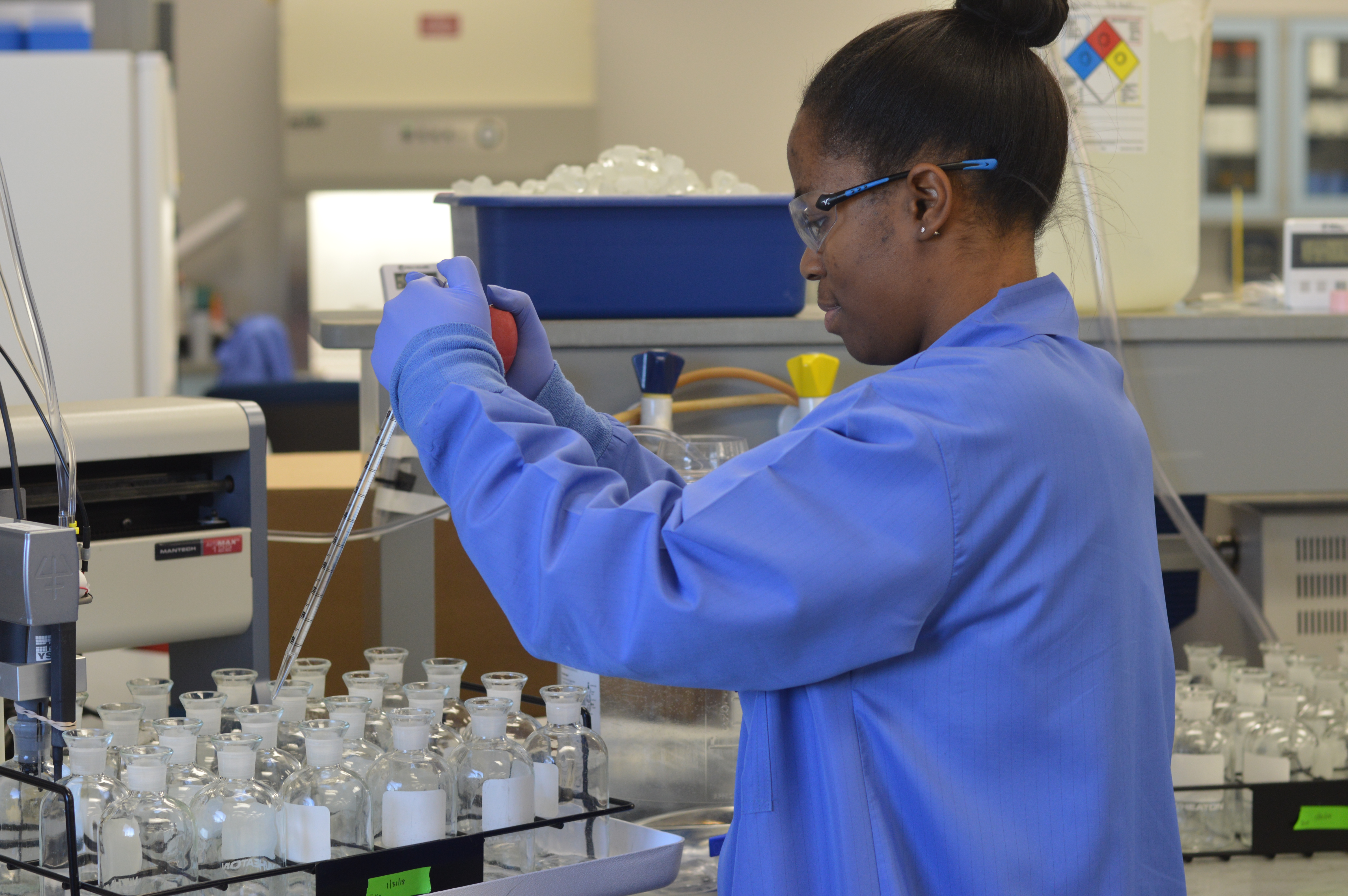 Learn more about KUB's water treatment process, and take a look at the latest Water Quality Reports.
H2O To Go
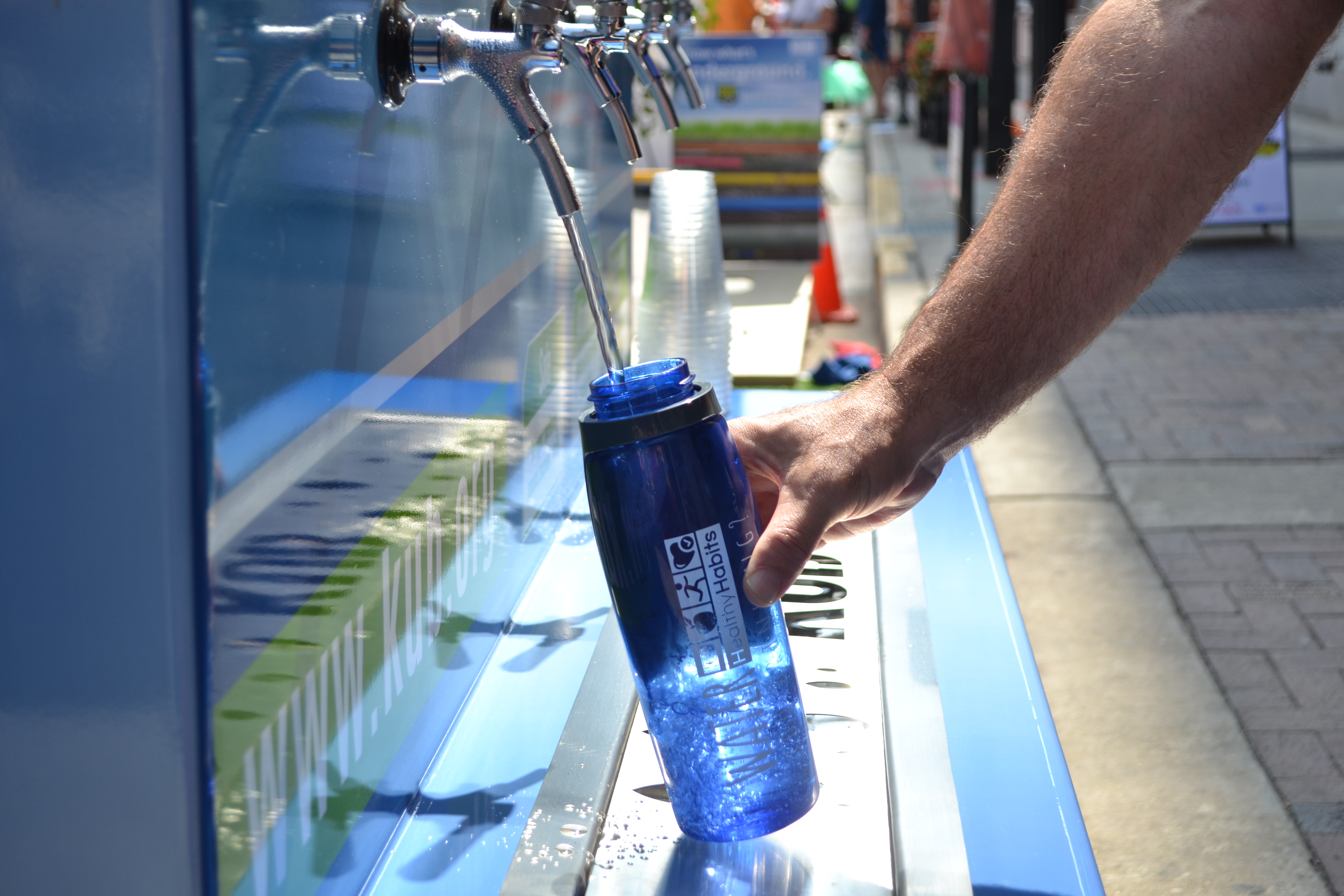 H2O To Go is a mobile water unit available for community events that offer cold, high-quality tap water.